
Workshop Description
Oregon presents one of the most distinctive ministry environments in the Pacific Northwest. Traditional ministry models built around large events, personality-driven leadership, and attendance-based success metrics often struggle to produce long-term discipleship, stable congregations, and sustainable diocesan growth. While many Oregonians value spirituality, community, and personal meaning, they often engage faith through individual exploration, authentic relationships, and local community involvement rather than institutional participation.
This workshop examines Oregon’s unique ministry terrain through the lens of identity-architecture. Participants will explore how factors such as individualism, cultural independence, environmental consciousness, community-oriented values, institutional skepticism, and regional diversity shape the way Oregonians respond to churches and religious organizations.
Rather than relying on event-centered ministry strategies, attendees will learn how to design ministries built on authentic relationships, local community engagement, relational trust, distributed discipleship, and long-term spiritual formation. Special attention will be given to developing ministry systems that remain effective in low-attendance environments where people value authenticity, participation, and meaningful community over institutional affiliation.
Participants will leave with practical frameworks for building resilient ministry ecosystems, measuring success beyond attendance, and developing leadership strategies that align with Oregon’s cultural realities.
Learning Objectives
By the end of this workshop, participants will be able to:
- Understand Oregon’s identity-architecture and its impact on ministry effectiveness.
- Identify why event-driven and institutional ministry models often struggle to create sustainable growth.
- Design ministry systems that function effectively in low-attendance and highly independent environments.
- Build authentic relationships as a primary ministry strategy.
- Develop discipleship pathways centered on community engagement and long-term spiritual growth.
- Create ministry environments that encourage participation without institutional pressure.
- Develop evaluation metrics based on community health, trust, and discipleship outcomes rather than attendance alone.
- Build sustainable leadership pipelines within Oregon’s unique ministry context.
Ideal Audience
- Bishops
- District Elders
- Pastors
- Church Planters
- Ministry Leaders
- Evangelism Teams
- Diocesan Administrators
- Leadership Development Coordinators
Key Theme
Oregon’s challenge is not a lack of spiritual interest. The challenge is building ministry architectures that connect with a culture that values authenticity, community, and personal exploration over institutional participation. Sustainable growth emerges not from larger events or stronger programs, but from authentic relationships, local engagement, meaningful discipleship, and ministry ecosystems that earn trust through consistent presence and genuine community involvement.
Curriculum
- 6 Sections
- 59 Lessons
- 10 Weeks
- Lesson 1: Understanding California's Ministry Terrain9 ItemsThis lesson introduces the cultural, spiritual, and social realities that shape ministry effectiveness in Oregon. Participants will explore why many traditional ministry models struggle to produce long-term discipleship and learn how Oregon's unique identity-terrain requires a different approach to church growth, community formation, leadership development, and ministry sustainability.
- Lesson 2: Trust as the Foundation of Ministry14 ItemsTrust is one of the most valuable resources in the Oregon field, yet it is rarely given quickly. This lesson examines why people often respond more strongly to genuine relationships, consistent character, and visible care than to position, reputation, or appearance. Special attention is given to how authenticity helps create the trust necessary for discipleship, leadership development, community formation, and long-term ministry fruit.
- 2.1Workshop Summary
- 2.2Introduction
- 2.3# Why Authenticity Matters
- 2.4The Difference Between Appearance and Authenticity
- 2.5Authentic Relationships Build Trust
- 2.6Consistency Creates Credibility
- 2.7Community Presence Matters
- 2.8Why Performative Ministry Often Struggles
- 2.9Authenticity and Discipleship
- 2.10The Difference Between Visibility and Influence
- 2.11Authentic Community Formation
- 2.12The Pattern of Ministry in Oregon
- 2.13Key Takeaways
- 2.14Lesson Conclusion
- Lesson 3: The Challenge of Continuity13 ItemsOregon's ministry field presents unique challenges to building long-term discipleship and lasting community. Geographic diversity, population movement, changing schedules, and independent lifestyles can make consistent connection more difficult than in other ministry environments. This lesson examines the factors that affect continuity in discipleship, participation, and community life throughout Oregon. Special attention is given to building ministries that strengthen relationships, maintain connection, and support spiritual growth even when attendance patterns fluctuate and life circumstances change.
- 3.1Workshop Summary
- 3.2Introduction
- 3.3Understanding Continuity
- 3.4Independence and Connection
- 3.5Participation doesn’t Always Look The Same
- 3.6Geographic Diversity and Distance
- 3.7Why Attendance Does Not Equal Belonging
- 3.8Creating Connection in a Culture of Independence
- 3.9The Challenge of Low Attendance Culture
- 3.10From Participation to Belonging
- 3.11The Architectural Principle
- 3.12Key Takeaways
- 3.13Lesson Conclusion
- Lesson 4: Why Traditional Ministry Models Struggle14 ItemsMany ministry models were developed in environments where institutional trust, religious participation, and long-term community loyalty were widely shared cultural norms. This lesson explores why those assumptions often fail in Oregon and examines the limitations of attendance-driven, event-centered, and personality-based ministry architectures within the state's unique cultural terrain.
- 4.1Workshop Summary
- 4.2Introduction
- 4.3The Assumptions Behind Traditional Ministry Models
- 4.4The Attendance Illusion
- 4.5Why Events Rarely Create Lasting Community
- 4.6The Limits of Personality-Driven Ministry
- 4.7Why Position Alone Is Not Enough
- 4.8Spiritual Interest Does Not Automatically Lead to Discipleship
- 4.9Why Attraction Alone Is Not Enough
- 4.10The Difference Between Visibility and Inflence
- 4.11What Oregon Requires Instead
- 4.12The Ministry Principle
- 4.13Key Takeaways
- 4.14Lesson Conclusion
- Lesson 5: Building Sustainable Ministry Ecosystems9 ItemsThis lesson moves participants from understanding Oregon's ministry terrain to building ministry architectures capable of thriving within a culture that values authenticity, community participation, personal exploration, and meaningful relationships. Participants will learn how to create relational discipleship systems, community-integrated ministry models, digital-hybrid pathways, ecosystem-health measurements, and leadership multiplication frameworks that align with Oregon's unique cultural realities.
- Quiz: Building Sustainable Ministry in a Low-Attendance Culture1 ItemOregon's challenge is not a lack of spiritual interest. The challenge is building ministry architectures that connect with a culture that values authenticity, personal exploration, and meaningful community involvement over institutional participation. Sustainable growth emerges not from larger events or stronger programs, but from authentic relationships, local engagement, trust, and ministry ecosystems that become a genuine part of community life.
Instructor

Oregon's ministry environment is shaped by authenticity, independence, local community identity, and individualized spirituality. This workshop explores how these factors influence ministry effectiveness and why successful ministry in Oregon requires relationship-centered, community-based, and authenticity-driven approaches to discipleship and long-term ministry development.
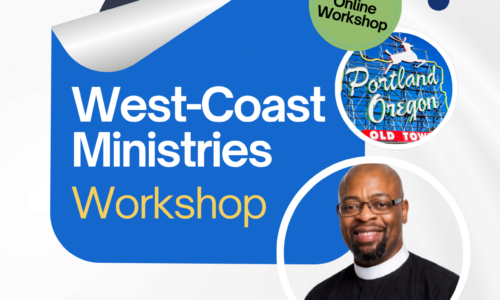
Oregon's ministry environment is shaped by authenticity, independence, local community identity, and individualized spirituality. This workshop explores how these factors influence ministry effectiveness and why successful ministry in Oregon requires relationship-centered, community-based, and authenticity-driven approaches to discipleship and long-term ministry development.