
The Rapture
About this page
Every article in this section comes straight from my research notes — the lived process of discovery that unfolds when Scripture, history, and encounter meet. I write late into the night, tracing the movement of the Spirit through ancient texts and modern thought, asking not only what the rapture means but how it lives inside us. These writings are not summaries; they are explorations. They carry the texture of study, prayer, and revelation, shaped by years of walking through the tension between form and formlessness.
My approach is simple but demanding: I begin with Scripture, move through language, and listen for resonance. I draw conclusions only when the Spirit and the text converge — when the research becomes encounter. What you’ll read here isn’t speculation; it’s lived theology. Each note is a doorway into the ancient rhythm of being caught away, a rhythm that still moves through the church today. Read slowly. Let the words breathe. They are meant to stir hunger, not satisfy it.

Explaining The Rapture Plainly
- The Word “Rapture” Is Not New
- The Concept Of “Catching Away” Is Ancient
- The Translators Acted In Good Faith
- The Later Doctrinal System Changed The Texture Of The Idea
- Darby And Scofield Collapsed The Meaning Into A Narrow Framework
Returning to what Christ originally established restores the Apostolic pattern — not by creating a new identity, but by bringing the church back into lived encounter, back into the place where the Spirit catches us away from the limits of form and draws us into the formless reality of walking in the Spirit, the same reality the apostles moved in.
Caught Away (Greek harpazō)
This section provides answers to commonly asked questions, helping users find the information they need quickly and easily.

The Word “Rapture” Is Not New.
When I speak about the word “rapture,” I tell people it isn’t some modern invention. The word may have shifted through languages, but the reality it points to has been in Scripture since the apostles walked the earth. It’s not new; it’s part of the ancient rhythm of God catching His people into revelation, into movement, into Himself.
The Concept Of “Catching Away” is Ancient.
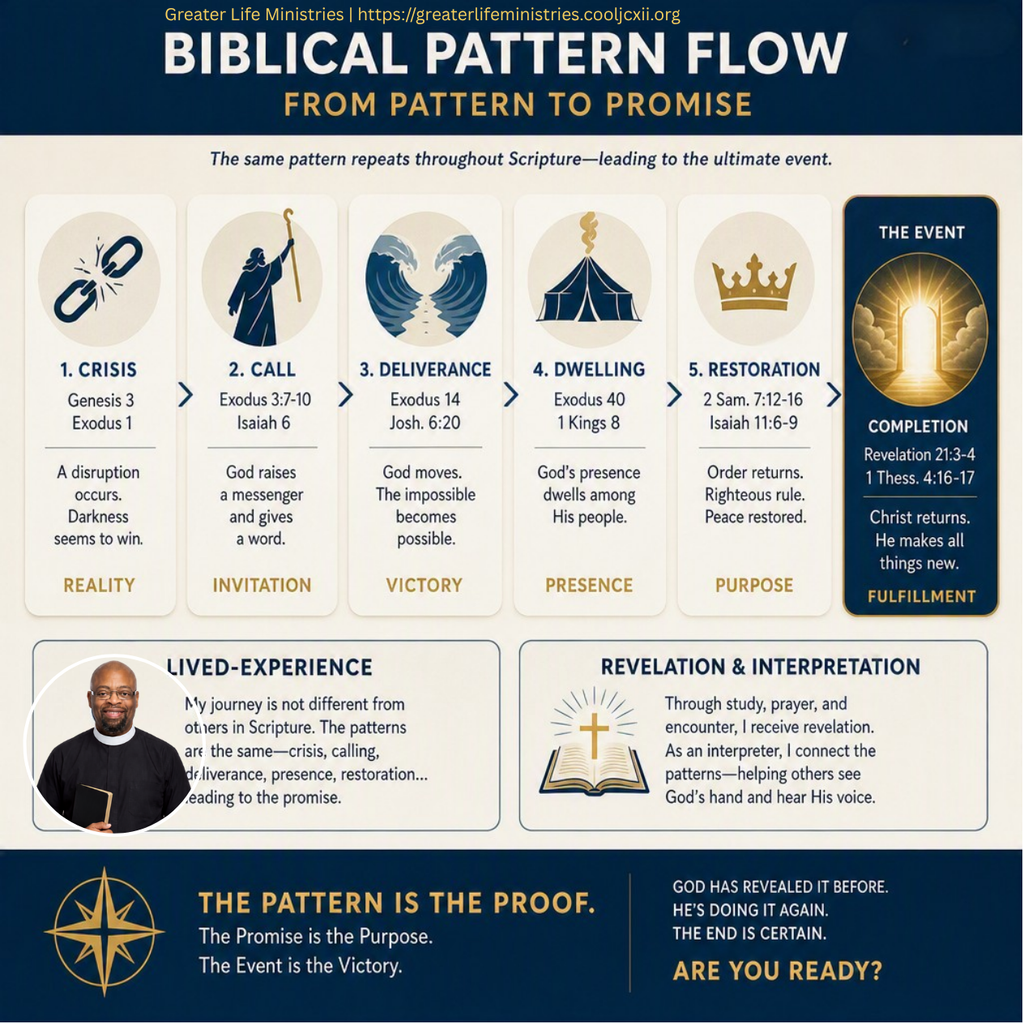
When I teach about being “caught away,” I remind people that this isn’t a new idea the modern church invented. This is the ancient language of Scripture — the way the apostles described those moments when God seizes a person into revelation, into movement, into divine interruption. Long before anyone debated timelines or systems, the people of God already knew what it meant to be lifted beyond themselves, drawn into the Spirit, caught into a reality that breaks the boundaries of the natural world. This is the oldest pattern in the life of the believer, and it has always belonged to the church. The pattern is already here, not the event.
The Translators Acted in Good Faith.
When I teach this part, I remind people that the men who translated Scripture were not trying to invent new doctrines or force new meanings into the text. They were doing their best, in their own time and language, to express what the apostles had already lived. They handled the word with reverence. They preserved the heart of the idea. Whatever shifts came later did not come from them; they were simply trying to carry an ancient spiritual reality into the language of their generation. Their work was an act of faithfulness, not innovation.
The Later Doctrinal System Changed The Texture Of The Idea.
When I teach this part, I tell people that the shift didn’t come from Scripture and it didn’t come from the translators. It came later, when a new doctrinal system began to form around the English word. Over time, charts, timelines, and rigid frameworks started to replace the lived, Spirit‑driven reality the apostles described. The idea of being caught away — once understood through encounter, revelation, and divine interruption — was reshaped into something mechanical. The texture changed. What was once a movement of the Spirit became a diagram on a page, and the living experience behind the word began to fade from the church’s imagination.
Darby And Scofield Collapsed The Meaning Into A Narrow Framework.
When I teach this part, I tell people that the narrowing didn’t begin with Scripture — it began when Darby, and later Scofield, tried to compress a living, Spirit‑driven reality into a rigid prophetic system. What the apostles described through encounter and revelation was reduced to charts, timelines, and fixed sequences. The movement of being caught away — something the early church understood through the Spirit’s sudden lifting and divine interruption — was collapsed into a framework that left little room for lived experience. Their system didn’t preserve the fullness of the idea; it constrained it. It took something fluid, something breathed, something encountered, and pressed it into a structure the apostles themselves would not have recognized.
Your Restoration Returns Us To What The Apostles Actually Lived.
When I bring all of this together, I tell people that my work isn’t about creating a new doctrine or challenging the faithfulness of those who came before us. It’s about returning to what Christ established and what the apostles actually lived. The word wasn’t new. The experience wasn’t new. The catching‑away wasn’t new. What changed was the way later systems tried to confine it.
VBlog Related To The Rapture
This space is dedicated to the deeper things. The articles here are not for the faint in heart; they are for those who want to see the rapture through more than charts and timelines. What I write in this section comes from lived encounter, from years of walking with the Spirit, from research shaped by testimony and revelation. These notes explore the ancient reality of being “caught away” — not as a modern theory, but as the lived experience the apostles knew and the church was meant to walk in.